Ingrediants
What food Items, spices etc. are
avaliable to the cook in Timbuktu? besides the imported
canned and dry good there are many vegetables and
tradtional herbs gathered locally or in neighbouring
countries. This list is in no way exhaustive and doesn't
begin to cover the extensive list of plant products used
for strictly medicinal purposes.
The famous 14 spices of
Timbuktu: many people
giving the speal today say the 12 spices and a lot of the
men in tourism won't be able to list even all of those for
you. In fact for the special sauces there are traditionally
14 spices used as listed below
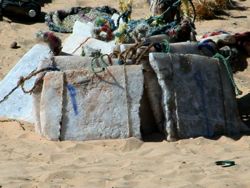 salt.
Called chiray in Songai and meuhl in hassaniya, the salt in Timbuktu all
comes from the mines of Taoudeni. One may break a chunk
off a block or purchace a small bag of broken peices of
even powder left from venders who have sawed the large
slabs into more managable blocks for sale.
salt.
Called chiray in Songai and meuhl in hassaniya, the salt in Timbuktu all
comes from the mines of Taoudeni. One may break a chunk
off a block or purchace a small bag of broken peices of
even powder left from venders who have sawed the large
slabs into more managable blocks for sale.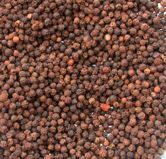 pepper
corns called alhorabi
in Songai
pepper
corns called alhorabi
in Songai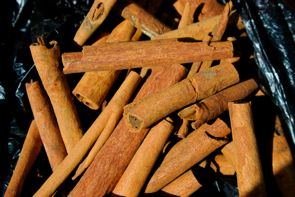 cinamon
sticks called kalf in Songai
cinamon
sticks called kalf in Songai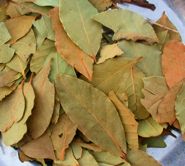 bay
leaves (laurial)
bay
leaves (laurial)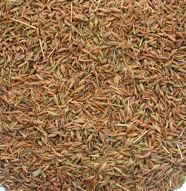 cumin
seeds called maffe jay
in Songai
cumin
seeds called maffe jay
in Songai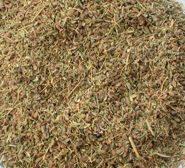 anis
seeds called maffe alhellouwa
in Songai
anis
seeds called maffe alhellouwa
in Songai- dried powdered tomato
- dried roasted onion. The onion used here has not simply been dried it has been roasted bringing out a lovely arroma.
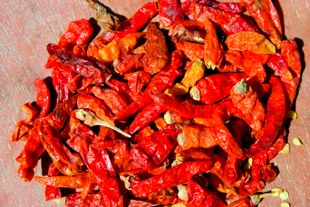 hot
peppers. Small
triangular peppers that look like
jalopinos
hot
peppers. Small
triangular peppers that look like
jalopinos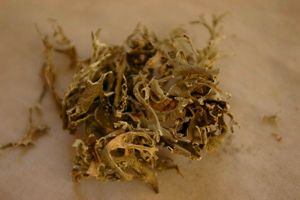 kabay.
A sort of lichen that grows on tree bark,
Evernica
sursuraceae
kabay.
A sort of lichen that grows on tree bark,
Evernica
sursuraceae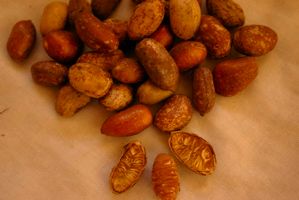 wangaray
maffay jay This strange seed has a strong
odour that reminds me of something from a
conifferous forest. Only a couple are necessary to a
dish. I have yet to find the sientific name for this
plant.
wangaray
maffay jay This strange seed has a strong
odour that reminds me of something from a
conifferous forest. Only a couple are necessary to a
dish. I have yet to find the sientific name for this
plant.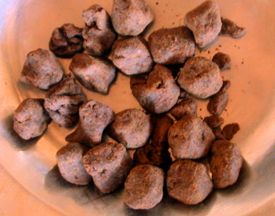 maray,
called sumbala in Bambara, is a substance made from
the Parkia
biglobosa or
African Bean Locust. The seeds are pounded to a paste and
they left to partiall ferment before portions are mesured
out, a three-finger pinch (as shown), a handfull rolled
into a ball, and let dry. The substance is added to many
dishes and could be considered the tranditional equvilant
of the ubiquitous boullion cube. It has a strong flavour
somewhat reminicant of dried fish, however in moderation
it works well as a flavour enhancer. Two or Three of
these small lumps are sufficiant for the
maffay recipe give on this site.
maray,
called sumbala in Bambara, is a substance made from
the Parkia
biglobosa or
African Bean Locust. The seeds are pounded to a paste and
they left to partiall ferment before portions are mesured
out, a three-finger pinch (as shown), a handfull rolled
into a ball, and let dry. The substance is added to many
dishes and could be considered the tranditional equvilant
of the ubiquitous boullion cube. It has a strong flavour
somewhat reminicant of dried fish, however in moderation
it works well as a flavour enhancer. Two or Three of
these small lumps are sufficiant for the
maffay recipe give on this site.- Dates.
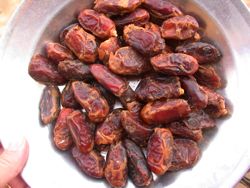 Many
varrieties of dates are available on the markets of
Timbuktu, a small moist varriety is typically used
for the sauce. Soaked, pitted and pounded to a paste
it naturally sweetens the sauce.
Many
varrieties of dates are available on the markets of
Timbuktu, a small moist varriety is typically used
for the sauce. Soaked, pitted and pounded to a paste
it naturally sweetens the sauce. - A mixed ball of dried onion and other stuff
Other commoon spices:
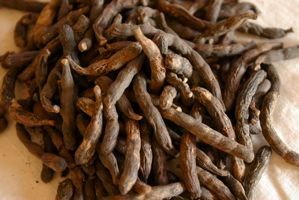 Wakundo
is a small dried seed
pod, locals consider the seed to be useless so the pod
is lightly pounded to release the seeds
Wakundo
is a small dried seed
pod, locals consider the seed to be useless so the pod
is lightly pounded to release the seeds
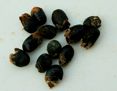 which are
removed before the slightly fiberous pod is pounded to
powder and added to the pot.
which are
removed before the slightly fiberous pod is pounded to
powder and added to the pot.
Jissuma.
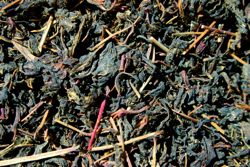 The local
name for hibiscous is high in Vitamin C and Folic
Acid. The dried leaves of a local wild varitey
provided the base of one of the standard dishes of
timbuktu, fresh leaves are steamed and mixed with some
spices to make a savoury side dish for the standard
fish and rice served in the south of Mali, Mauritania
and in Senegal. The red flowers of this same plant are
used to make a refreshing beverage or a tea.
The local
name for hibiscous is high in Vitamin C and Folic
Acid. The dried leaves of a local wild varitey
provided the base of one of the standard dishes of
timbuktu, fresh leaves are steamed and mixed with some
spices to make a savoury side dish for the standard
fish and rice served in the south of Mali, Mauritania
and in Senegal. The red flowers of this same plant are
used to make a refreshing beverage or a tea.
Wild Fruits
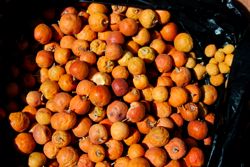 Zisiphus mauritanius, a
small, thorny tree produces these marble-sized fruits.
In the upper right corner you will see a small pile of
the seeds. As you can see there is not much flesh, but
it is sweet and tasty whether dried or fresh. The
French have dubbed these fruit jujubes. Some of these
trees are cultivated in California.
Zisiphus mauritanius, a
small, thorny tree produces these marble-sized fruits.
In the upper right corner you will see a small pile of
the seeds. As you can see there is not much flesh, but
it is sweet and tasty whether dried or fresh. The
French have dubbed these fruit jujubes. Some of these
trees are cultivated in California. 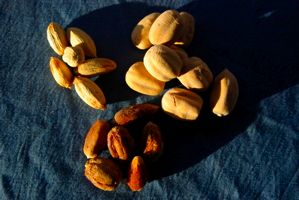 Balanidies aegvptiaca is
another desert thorn tree, this one with thorns two
inches long. The fruit of this tree is dubbed “wild
date” due to a certain similarity in the shape. There
is no other relationship niether botanical nor in
taste. The upper right hand pile in the photo is the
ripe fruit. It is encased in a thin crusty skin that
must be removed prior to eating, This usually flakes
off easily after applying light pressure. The bottom
image is the pealed fruit and the upper left the seed.
Again not much meat, it has a slightly bitter taste
(it was once equated to old gym socks, but I think
that an exaggeration) and is an acquired taste. It is,
however purported to ease headaches.
Balanidies aegvptiaca is
another desert thorn tree, this one with thorns two
inches long. The fruit of this tree is dubbed “wild
date” due to a certain similarity in the shape. There
is no other relationship niether botanical nor in
taste. The upper right hand pile in the photo is the
ripe fruit. It is encased in a thin crusty skin that
must be removed prior to eating, This usually flakes
off easily after applying light pressure. The bottom
image is the pealed fruit and the upper left the seed.
Again not much meat, it has a slightly bitter taste
(it was once equated to old gym socks, but I think
that an exaggeration) and is an acquired taste. It is,
however purported to ease headaches.
Other herbs are used less frequently as a spice and more for medicinal purposes.
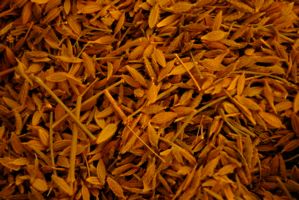
Kinkileba Combretum micranthum belived to have medicinal properties such as malaria prevention and detoxification. The leaves of this trees are steeped for a long time, strained and sweetened to taste served hot with some lemon and occasionally mint it makes a tasty bush tea. While, thought to have medicinal properties, Kinkiliba is a popular beverage during the cold months especially used at break-fast time during the month of Ramadan.
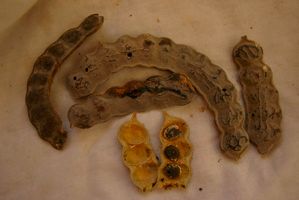
Another popular beverage during Ramadan is a variety of zrig (sweetened, diluted, soured goats milk) into which following two spices, bani (otherwise called salaha) and al kamuuna respectively are added along with some of the hot pepper listed above. The bani is called tanin in French and comes from the Acacia nilotica. It is also used in the tanning of hides, preparation of marroon ink in traditional caligraphy and in the preparation of the banco used to coat the mud brick houses
alandake fiscus umbellata roots for flavouring water
Detarium micocarpum used to make perfumed necklaces